 Blog
Blog Where Can I Buy Quick Fix Synthetic Urine?
ONE OF THE MOST COMMON QUESTIONS WE RECEIVE HERE AT QUICK FIX: WHERE CAN I BUY A QUICK FIX SYNTHETIC IN A STORE NEAR ME?…



Ancient Chinese, Greek, and Roman myths and legends feature fantastic attempts of gods and healers to transplant the body organs. These stories are considered apocryphal.
However, organ transplants became possible with time. In 1869, Swiss surgeon Jacques-Louis Reverdin performed first skin transplant.
And in 1967, doctors in South Africa performed the first successful heart transplant. These unbelievable results brought medicine to another level.
Unfortunately, these days a lot of people have to wait for years for a transplant. According to the latest statistics, on average, twenty people die every day in the United States because of the lack of available organs for transplantation.
Every 15 minutes, a new patient is added to the kidney waiting list. Taking this into account, scientists decided to produce artificial organs using 3D printing.
This innovation can become an answer to donor shortages and help rescue the lives of millions of people in the future. Scientists state that there will be no need for organ transplantation in the next twenty years. All organs will be printed for patients on demand.
Here are some interesting facts about artificial organ transplant, according to Quick Fix Synthetic:

References and further readings:
 Blog
Blog ONE OF THE MOST COMMON QUESTIONS WE RECEIVE HERE AT QUICK FIX: WHERE CAN I BUY A QUICK FIX SYNTHETIC IN A STORE NEAR ME?…
 Blog
Blog How to use your Quick Fix urine Upon reading synthetic urine reviews and stories of how people went into the lab and delivered a synthetic…
 Blog
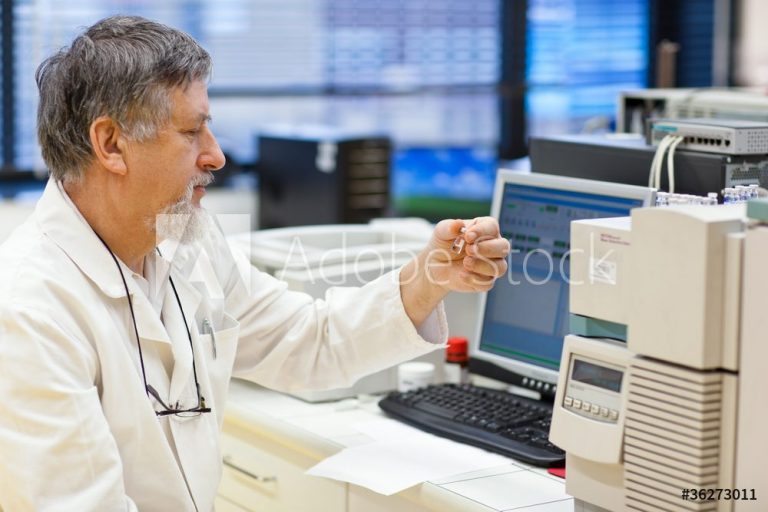
Blog Gas chromatography-mass spectrometry is a means of analyzing samples to identify individual substances using the features of gas-liquid chromatography as well as mass spectrometry.…


