 Blog
Blog
Where Can I Buy Quick Fix Synthetic Urine?
ONE OF THE MOST COMMON QUESTIONS WE RECEIVE HERE AT QUICK FIX: WHERE CAN I BUY A QUICK FIX SYNTHETIC IN A STORE NEAR ME?…

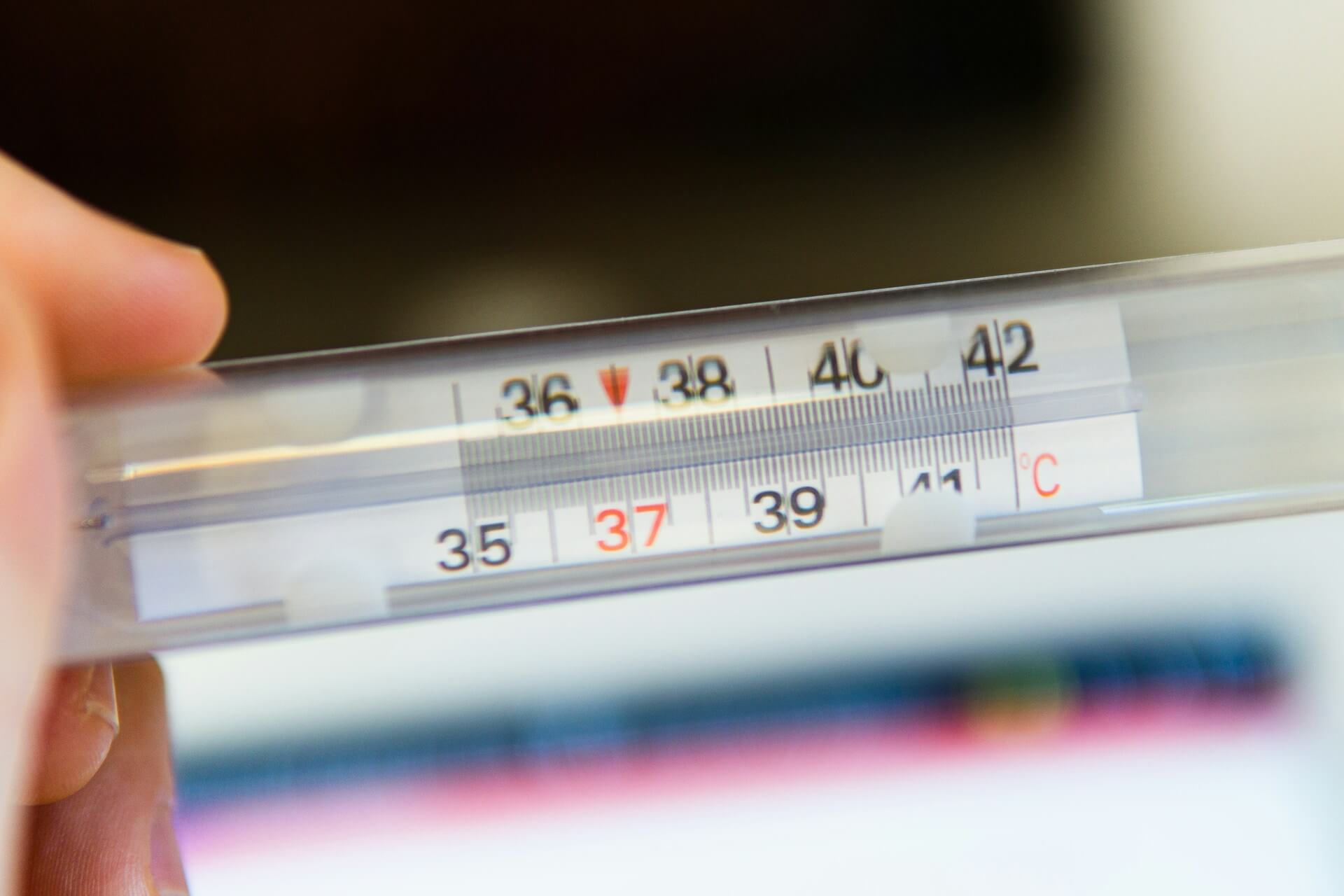
TL;DR: Most low urine temperature readings trace back to something unglamorous — the sample cooled between voiding and measurement. Urine exits the body at roughly 98.6°F (37°C) and can fall below the 90°F (32°C) threshold in about four minutes of open-air exposure. Physiological causes exist but are far less common. For anyone who arrived here via a drug test flag: low temperature means invalid, not positive — and those are procedurally very different outcomes.
Most low urine temperature readings have an entirely ordinary explanation. The body maintains a stable internal temperature, urine exits close to that temperature, and then physics takes over the moment the sample hits open air. The causes worth knowing about follow a clear order — environmental first, physiological second, medical third — and for readers who landed here after a drug test flagged a low reading, there’s a dedicated section that explains exactly what that means in practice.
Urine exits the body at approximately 98.6°F (37°C), tracking the temperature of the kidneys and bladder it passed through. For drug testing purposes, the accepted validity window is 90–100°F (32–38°C) — a range that accounts for the brief, inevitable cooling between voiding and handing a sample over. Anything below 90°F (32°C) at the point of collection falls outside that window. For the full biology behind these numbers, our urine temperature guide covers it in detail.
Think of a freshly voided sample the way you’d think of a coffee carried out of a warm café into a January morning. It leaves at one temperature and immediately begins negotiating with its surroundings. The surroundings win every time. How quickly that happens depends on conditions — but the direction of travel is never in doubt.
This accounts for the vast majority of low readings outside a clinical setting. At typical indoor ambient temperatures of 68–72°F (20–22°C), a urine sample drops below 90°F (32°C) in approximately four minutes. If the sample was voided, set down, and measured a few minutes later, environmental cooling is almost certainly the entire explanation — no physiology required, no drama necessary.
A cold room or outdoor setting accelerates the cooling curve considerably. A sample voided at 98.6°F (37°C) in a facility where the room temperature sits well below 68°F (20°C) will lose heat faster than the four-minute estimate. In those conditions, even a sample measured promptly might register lower than expected — with no physiological cause involved whatsoever.
Urine temperature at voiding reflects the internal temperature of the organs it passed through — kidneys and bladder track core temperature closely. If core temperature is running below 98.6°F (37°C) due to mild illness, extended cold exposure, low metabolic activity, or certain medical conditions, urine exits at a correspondingly lower temperature. This isn’t the sample cooling after the fact. The urine itself is produced at a lower-than-normal temperature, and that distinction matters quite a bit.
At the more serious end of the spectrum: clinical hypothermia — defined as core temperature falling below 95°F (35°C) — produces urine that exits well below the normal range. This is a medical condition requiring immediate attention. Accompanying symptoms typically include persistent shivering, confusion, slurred speech, or extreme fatigue. If those are present alongside a low temperature reading, the reading is, to put it plainly, the least pressing concern in the room.
Poor peripheral circulation, seen in conditions like Raynaud’s disease or severe anemia, affects how efficiently the body distributes heat across its systems. In some cases this can influence temperatures across the renal system. This cause is uncommon and typically arrives alongside other noticeable symptoms, but it’s worth understanding for anyone who experiences consistently low readings without an obvious environmental explanation.
A sample flagged for low temperature is classified as invalid — not positive. Those two outcomes are procedurally distinct in ways that matter considerably. An invalid result typically triggers supervised re-collection; it is not an adverse finding, and it carries no implication about what the sample did or didn’t contain. The temperature check exists to confirm the sample is consistent with fresh, human-voided urine — outside the 90–100°F (32–38°C) window, that confirmation simply cannot be made.
When labs see a low-temperature flag, two explanations are considered. The first — and more common — is a pre-collected sample that cooled during transport or handling before submission. The second is genuinely low core body temperature at the time of collection, which does happen but is considerably less frequent. For a full breakdown of how temperature validity works throughout the collection process, our drug test temperature guide covers the procedural specifics in full.
What a low-temperature flag is not: evidence of adulteration, a positive finding, or a conclusion about what the sample contained. Temperature validity and substance detection are assessed separately. One sitting outside the valid range says nothing about the other.
Disclaimer: This content is for informational and educational purposes only. Quick Fix Synthetic does not condone or encourage the use of our products to defraud legally mandated drug tests. Please consult your local and state laws before use.
The dividing line is straightforward in principle: environmental cooling happens after voiding; physiological low temperature happens during it. A sample that cools sitting on a counter for five minutes needs no medical follow-up. Urine that exits the body already below the expected range is a different matter entirely.
Signs that a low reading might be physiological rather than situational: consistent low readings across multiple voids, in warm environments, measured immediately after voiding. Add to that pattern some accompanying symptoms — feeling persistently cold regardless of the weather, unusual fatigue, slow healing — or a known condition affecting thermoregulation, and a conversation with a physician is the sensible next move.
For most readers, the explanation is considerably less eventful. The room was cold, or the measurement came a few minutes too late. Persistent physiological low temperature at voiding, however, warrants professional evaluation. The body’s thermoregulatory system doesn’t typically run cold without reason, and ruling out an underlying cause is always worth the appointment.
Environmental cooling explains the majority of low urine temperature readings, and it requires no medical follow-up — only an awareness that the gap between voiding and measurement is shorter than most people assume. At room temperature, four minutes is roughly all it takes to move from valid to flagged. Faster measurement is the fix.
Physiological causes are real and worth knowing about, but they come with a recognizable pattern: consistently low readings across different environments, measured immediately, often alongside other symptoms. That pattern warrants attention. A single low reading in an otherwise healthy person, measured a few minutes after voiding in a cool room, almost certainly does not. And for anyone whose low reading came from a drug test — invalid means a re-collection, not a failed result. The procedural next step is clearly defined, and it is not the end of the road.
Dehydration affects urine concentration — not temperature directly. Temperature at voiding tracks core body temperature, which dehydration doesn’t meaningfully shift under normal circumstances. Severe dehydration can affect overall physiology in ways that indirectly touch thermoregulation, but it’s not a recognized direct cause of low urine temperature. If a low reading is the concern, hydration status is unlikely to be the explanation worth pursuing.
Core body temperature follows a circadian rhythm — typically lower in the early morning and peaking in the late afternoon, with a variation of roughly 1–2°F (0.5–1°C) across the day. Since urine temperature tracks core temperature, early-morning measurements may run slightly lower than afternoon ones. In isolation, that variation is small. Combined with a cool environment and a brief delay in measurement, though, it could nudge a reading toward the lower edge of the valid range.
Some medications affect thermoregulation directly. Drugs that act on the hypothalamus — the brain’s temperature-regulation center — can shift core body temperature in either direction. Certain antipsychotics, thyroid medications, and some blood pressure drugs fall into this category. Anyone on ongoing medication who notices consistently unusual urine temperature readings would do well to raise it with their prescribing physician as part of a broader conversation about thermoregulation.
A cold collection environment is the first thing worth considering — ambient temperature has more effect than most people expect, even over very short intervals. Core body temperature running slightly below average at the time of voiding is a secondary possibility, as is minor variation in thermometer calibration at the collection facility. A single low reading in an otherwise healthy person who followed correct protocol almost always points to environmental factors rather than anything physiological.
Disclaimer: This content is for informational and educational purposes only. Quick Fix Synthetic does not condone or encourage the use of our products to defraud legally mandated drug tests. Please consult your local and state laws before use.
 Blog
Blog
ONE OF THE MOST COMMON QUESTIONS WE RECEIVE HERE AT QUICK FIX: WHERE CAN I BUY A QUICK FIX SYNTHETIC IN A STORE NEAR ME?…
 Blog
Blog
How to use your Quick Fix urine Upon reading synthetic urine reviews and stories of how people went into the lab and delivered a synthetic…
 Blog
Blog
Gas chromatography-mass spectrometry is a means of analyzing samples to identify individual substances using the features of gas-liquid chromatography as well as mass spectrometry.…


