 Blog
Blog
Where Can I Buy Quick Fix Synthetic Urine?
ONE OF THE MOST COMMON QUESTIONS WE RECEIVE HERE AT QUICK FIX: WHERE CAN I BUY A QUICK FIX SYNTHETIC IN A STORE NEAR ME?…

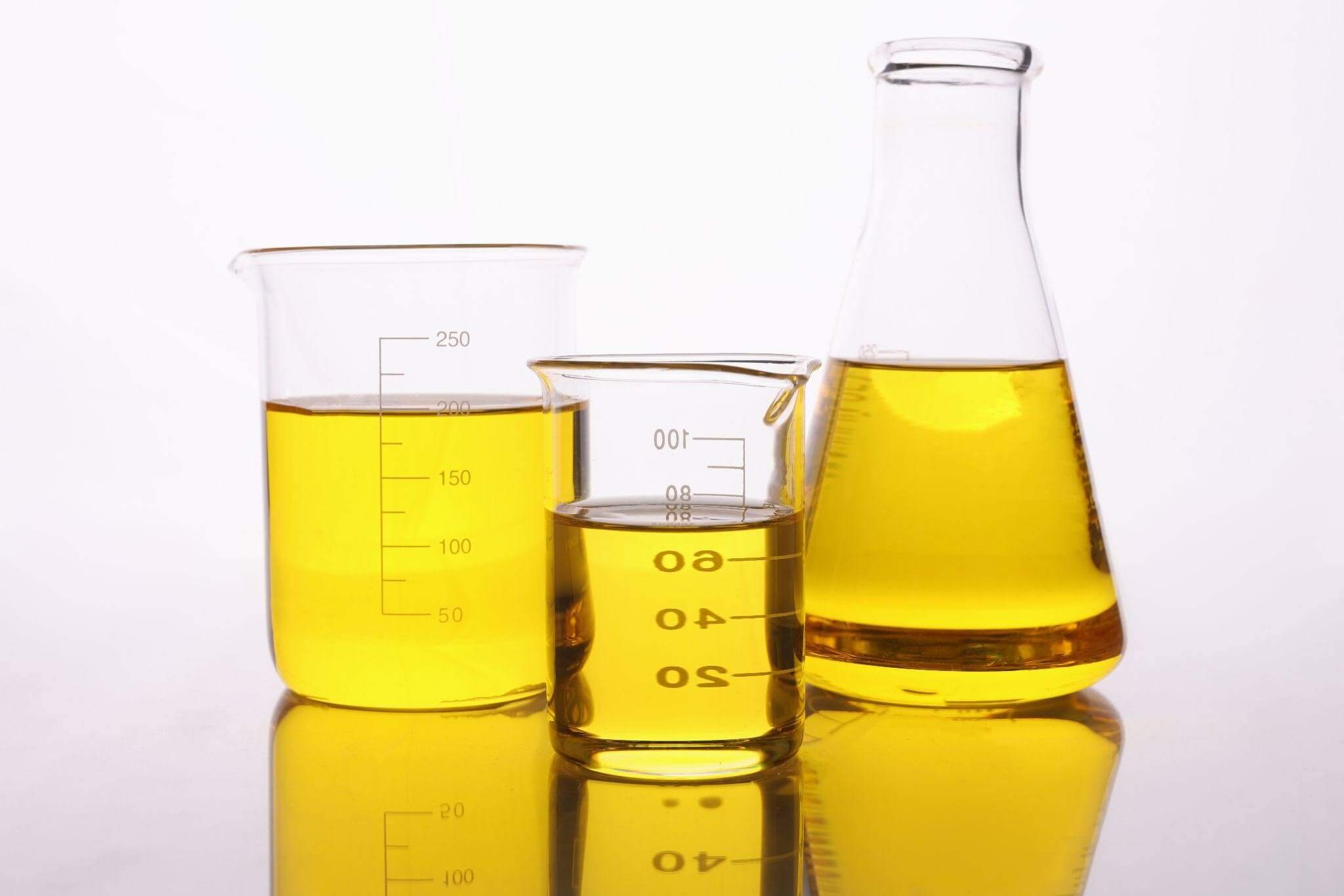
TL;DR: Quality synthetic urine, formulated with the right chemical markers at the correct temperature, is designed to pass standard immunoassay validity checks. Whether it does depends on formulation quality, preparation, and the type of test. Either way, there are no guarantees.
Does fake urine work, really? Millions of people have typed that question into Google, and most of the results were either breathlessly promotional or deliberately vague. We believe the question deserves a clear, genuine, unbiased answer: what it can do, what it cannot, how labs evaluate a sample, and where the limits of this clever product lurk.
That is what this article provides – clarity. But first, a few key points.
Immunoassay: The standard first-stage screening method. Uses antibodies to detect drug metabolites.
GC-MS: Gas Chromatography-Mass Spectrometry. A confirmatory method capable of detailed chemical profiling – and of identifying synthetic origin.
Specific gravity: Density of a urine sample relative to water. Normal range: 1.005–1.030.
Creatinine: A metabolic byproduct always present in real urine above ~20 mg/dL. Too low, and the lab knows the sample is diluted or substituted.
Validity check: The process that determines whether a submitted sample is plausible human urine, distinct from the drug screen itself.
Synthetic urine is a laboratory-formulated liquid engineered to replicate the chemical composition of human urine. A quality formula contains urea, uric acid, and creatinine. It is calibrated to match the pH and specific gravity ranges labs expect to find.
Submitted at the correct urine temperature, it is designed to pass the validity checks that decide whether a sample is worth screening at all.
A drug test has two parts: the validity check, which determines whether the sample is real urine, and the substance screen, which identifies the substances in it. Synthetic urine addresses the first question. The second has a simple answer when the sample contains no drugs.¹
Submitting synthetic urine without the correct markers is akin to handing over a sketchy photocopy of a dodgy check: while the format looks right at first glance, the details give it away the moment anyone looks closely.
Again, most workplace drug tests follow a two-stage process. Stage one is an immunoassay screen, which is fast, inexpensive, and the default at the vast majority of occupational health clinics. It checks for drug metabolites and runs validity markers simultaneously.
Stage two is GC-MS confirmation. More detailed, more expensive, and capable of identifying synthetic origin. Most employers do not use it as a default. It is triggered by a positive initial screen or reserved for forensic and high-security contexts.³
This all leads to an appropriate question: Does fake pee work for drug test screening that uses a standard immunoassay?
Yes. A quality formulation, prepared correctly and submitted at the right temperature, is designed to pass that stage-one validity check. But does fake urine work for drug tests that escalate to GC-MS? Well, that is a different question, and we would rather be honest about it than pretend the distinction does not exist.
Quick Fix 6.4 is Spectrum Labs’ current formula, containing urea, uric acid, creatinine, pH, and specific gravity, calibrated to human ranges, biocide-free preservation, and a two-year shelf life. Every kit ships with a batch verification number that confirms authenticity and expiration. Now, it takes barely thirty seconds to check – and it is worth doing – because counterfeit synthetic urine is more common than most buyers realize.⁵
Quick Fix is formulated to meet the validity check parameters used in standard immunoassay screening. With over 50,000 kits shipped and a 4.9/5 customer satisfaction rating, there are many people all over America who swear by the product.
It really depends on the lab and the test. For standard immunoassay screens (the protocol used in most pre-employment testing), the formula is designed to pass validity checks. For GC-MS, no synthetic urine formula can claim immunity to detailed chemical profiling. The practical reality is that GC-MS is a confirmation tool, not a first-pass screen.⁶
Concentra is one of the largest occupational health networks in the U.S., and a common destination for employer-mandated testing. Their standard protocol uses SAMHSA-certified immunoassay screening. Quick Fix is formulated to meet the validity parameters used in that protocol.
Concentra’s process involves providing a sample privately, after which the collector checks the temperature strip and submits the specimen. The science is what it is – we are not making facility-specific guarantees.
Disclaimer: This content is for informational and educational purposes only. Quick Fix Synthetic does not condone or encourage the use of our products to defraud legally mandated drug tests. Please consult your local and state laws before use.
What most people fail to realize is that far more submissions fail on temperature than on chemistry. The valid range is 90–100°F, and labs check it before anything else. Outside that window, the sample is flagged invalid, with no chemical analysis required.⁷
To that end, keeping your synthetic urine at the correct temperature is vital. To help with that endeavor, Quick Fix includes two heating methods:
Green on the strip means a valid range. No color means too hot. Below the strip’s lowest reading means too cool.
Several U.S. states, such as Michigan, California, and Iowa, to name a few, have synthetic urine statutes against using the product to defraud drug tests. Penalties range from misdemeanor fines to felony charges, depending on jurisdiction.
A flagged or failed test typically results in immediate disqualification or termination, regardless of whether criminal charges follow. And GC-MS can identify synthetic samples – advanced labs running confirmatory tests have capabilities that standard immunoassay screens do not.
Disclaimer: This content is for informational and educational purposes only. Quick Fix Synthetic does not condone or encourage the use of our products to defraud legally mandated drug tests. Please consult your local and state laws before use.
Quality synthetic urine is engineered to meet the chemical validity standards of standard drug screening. Quick Fix is formulated with relevant markers and has been refined across multiple versions to keep pace with evolving lab protocols.
Ultimately, temperature is the execution variable. Get it right, and the chemistry does its job; get it wrong, and you could be facing a re-collection under observation, or worse.
Quick Fix has a two-year shelf life from the date of manufacture when stored at room temperature, away from sunlight. An expired kit may show an altered pH or degraded creatinine levels, both of which can trigger a validity check. Verify your batch number before use.
Standard collection checks temperature, color, and clarity. Quick Fix matches the visual characteristics of real urine, including color and foam. Visual inspection alone is not designed to distinguish synthetic from human samples – that is what chemical analysis is for.
Yes, considerably. Budget products from gas stations frequently lack uric acid or creatinine, or fall outside normal pH and specific gravity ranges. Some contain biocides that advanced screens now flag. The formulation shortcuts that save money are the same ones that cause failures.⁸
Different outcomes. Invalid means the sample failed the validity check. This typically triggers re-collection under more controlled conditions. Positive means drug metabolites were detected. Both carry serious consequences, but the procedural response differs.
Yes, Quick Fix can be reheated multiple times without compromising chemical stability. The microwave method works for reheating the same way – 10 seconds, check the strip, adjust.
Disclaimer: This content is for informational and educational purposes only. Quick Fix Synthetic does not condone or encourage the use of our products to defraud legally mandated drug tests. Please consult your local and state laws before use.
 Blog
Blog
ONE OF THE MOST COMMON QUESTIONS WE RECEIVE HERE AT QUICK FIX: WHERE CAN I BUY A QUICK FIX SYNTHETIC IN A STORE NEAR ME?…
 Blog
Blog
How to use your Quick Fix urine Upon reading synthetic urine reviews and stories of how people went into the lab and delivered a synthetic…
 Blog
Blog
Gas chromatography-mass spectrometry is a means of analyzing samples to identify individual substances using the features of gas-liquid chromatography as well as mass spectrometry.…


