 Blog
Blog Where Can I Buy Quick Fix Synthetic Urine?
ONE OF THE MOST COMMON QUESTIONS WE RECEIVE HERE AT QUICK FIX: WHERE CAN I BUY A QUICK FIX SYNTHETIC IN A STORE NEAR ME?…



Urine submitted for a drug test must land between 90–100°F (32–38°C) when handed over, and collectors are required to check the temperature within four minutes of donation. Fall outside that window (too cold, too hot, doesn’t matter) and the sample gets flagged as potentially invalid.
A drug test temperature fail doesn’t automatically mean drugs were detected, but it does mean the sample’s integrity is in question, and you will almost certainly be asked to retest.
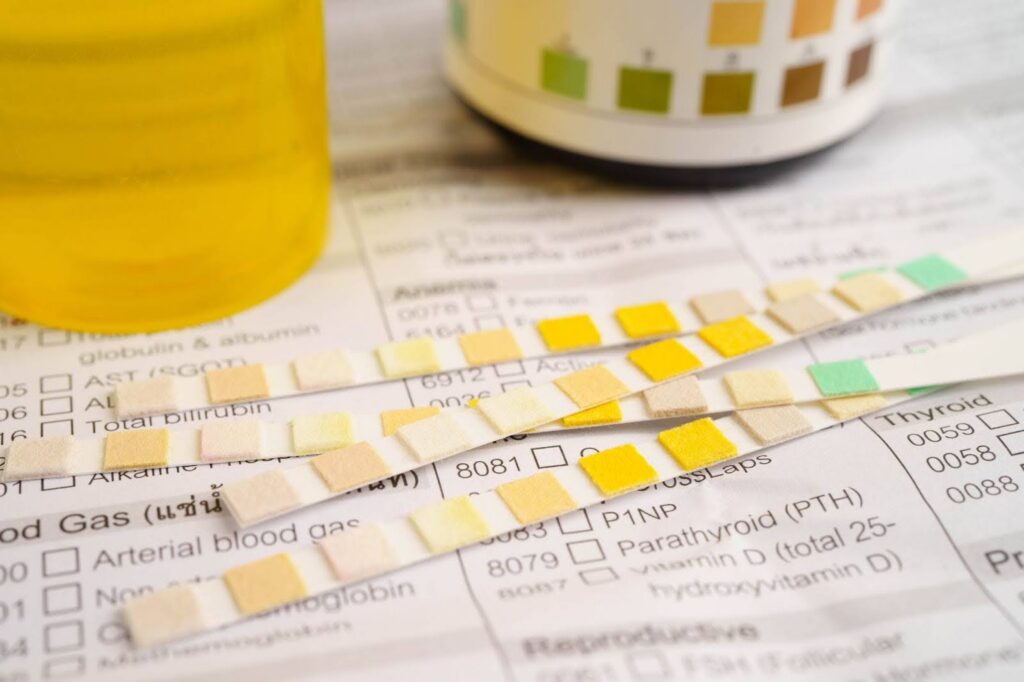
Of all the ways a drug test can go sideways, urine temperature is probably the one people think about least. Quite ironic, you might agree, because it’s the one thing that gets checked first.
We are not talking about what’s in the sample, though – we are referring to how warm it is. And if that sounds trivial, bear in mind that a perfectly clean, entirely drug-free urine sample can still be rejected outright if the temperature is off by even a few degrees. You get no chance of appeal, just a firm request to do the whole thing again, this time under observation.
The urine temperature for a drug test is, in many ways, the bouncer at the door. It doesn’t matter how well you are dressed if the bouncer won’t let you through. Under SAMHSA (Substance Abuse and Mental Health Services Administration) guidelines, the collector must measure the specimen’s temperature within four minutes of receiving it.
Ultimately, if your sample is outside the accepted range, it is considered suspect before any chemical tests are run.
So, what temperature should urine be for a drug test? The accepted urine temperature range for drug test purposes is 90–100°F (32–38°C). Freshly voided urine sits close to core body temperature (around 98.6°F in a healthy person), and that 10-degree window accounts for natural cooling between the restroom and the collection point.
It’s a tighter margin than it sounds. Urine begins losing heat the moment it leaves the body, and depending on the room temperature, it can drop below the threshold in a matter of minutes. A cold clinic in January is a very different environment from a warm office in July, and the laws of thermodynamics don’t care about your employment status.
This certainly isn’t an arbitrary number, either. The range is grounded in decades of clinical research and is codified in federal workplace testing guidelines that the vast majority of private employers and labs also follow (whether they’re strictly required to or not).
Temperature is part of a broader set of “specimen validity” markers, alongside pH, creatinine concentration, specific gravity, and the presence of known adulterants. You might think of it as a credibility test for your sample. Together, these markers indicate whether the specimen is genuinely fresh human urine or warrants closer inspection.
When you think about it, the logic is pretty simple: fresh urine from a healthy living person arrives warm. If it doesn’t, that’s a problem. A reading outside the expected range can suggest substitution, dilution, contamination, or a sample that wasn’t at the correct temperature when it was handed over.
In practice, the collector reads the temperature strip on the side of the collection cup within four minutes. If it is green and within range, the sample proceeds. Anything else, and the collector marks No on the custody and control form. What follows is a supervised recollection with a fresh kit, which is, we can probably all agree, not anyone’s idea of a jolly afternoon.
Of course, not every temperature failure involves tampering. A surprising number of them come down to innocent mistakes and circumstances that nobody thought to mention beforehand.
Delayed handover is the most common offender. Urine cools fast once it’s outside the body, and even a couple of extra minutes between voiding and handing the cup over can push the reading below 90°F. Combine that with a cold restroom, an air-conditioned building, or a whole host of plausible reasons, and the numbers start working against you quickly.
Overheating is rarer but does occur, usually when samples are exposed to direct sunlight or other external heat sources. A reading above 100°F raises exactly the same flags as one below 90°F, so there is no advantage in going the other direction.
Either way, the key takeaway is that a drug test temperature fail can happen to anyone, regardless of what’s actually in the sample. It’s a handling issue, not a substance issue, but the outcome is the same.
When a sample lands outside the accepted range, the collector documents it and offers an immediate observed recollection. That means providing a second sample under direct supervision with a new collection kit. The original sample may still go to the lab, but its validity is already compromised.
We should be clear about what a temperature fail actually means in practice. It does not prove the presence of drugs, nor does it count as a positive result. What it does is cast doubt on the sample’s integrity, which can delay the process, trigger additional scrutiny, and (depending on the employer) create complications that a straightforward, unhindered pass would have avoided entirely.
In short: it’s a headache, not a conviction. But it’s a headache most people would rather not have.
The temperature check is optional.
It really isn’t. SAMHSA guidelines and DOT regulations both require it within four minutes of collection, and most private-sector labs follow the same protocol whether they’re federally mandated or not.
Only synthetic urine fails temp checks.
Also not true. Real urine that has cooled due to a delayed handover or a cold environment fails just as easily. Temperature failure is about timing and handling, not about the origin of the sample.
Re-warming urine sorts it out.
Reheating a sample is unpredictable. Overshoot even slightly, and the reading lands above 100°F, which is equally grounds for rejection. This introduces more risk than it solves.
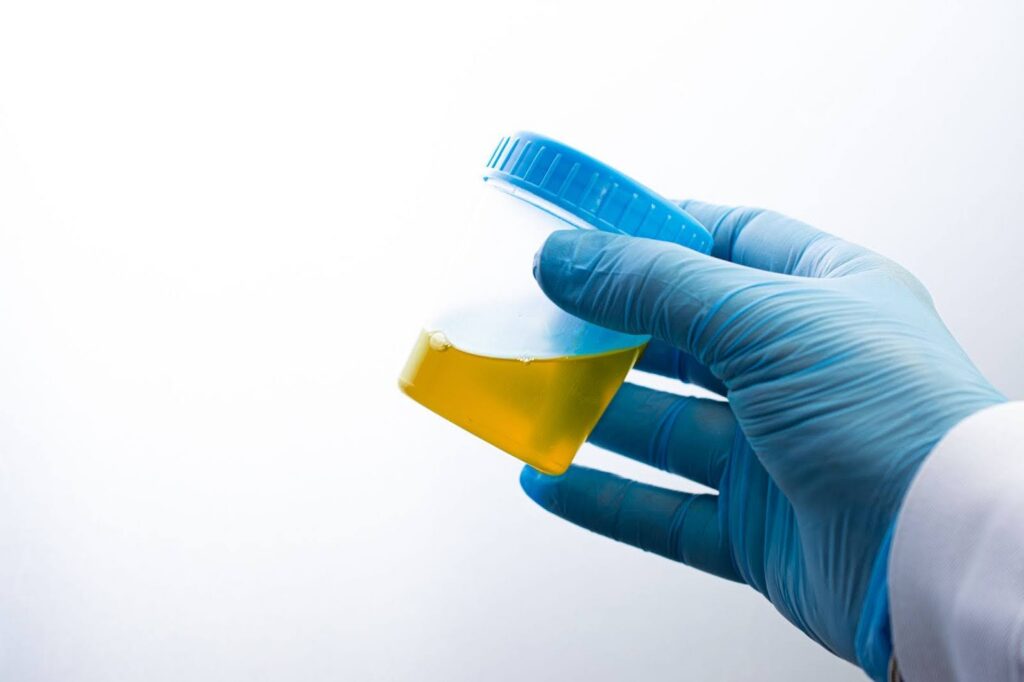
For anyone providing a legitimate urine sample, the single best piece of advice we can offer is this: hand it over quickly. Provide your sample and give it to the collector without delay. Don’t set it down, don’t take a detour, and definitely don’t leave it sitting on a cold surface while you wash your hands.
Use the container provided by the collection site, as it will have a built-in urine temperature strip calibrated to the correct range. If the room feels unusually cold, mention it to the collector, and if you are offered the chance to provide a sample straight away, take it.
The four-minute window is far tighter than most people realize, and minimizing the gap between voiding and handover is the easiest way to stay within the normal temperature for urine drug test protocols.
Urine temperature is the first checkpoint in any standard drug test, and it catches more people off guard than you might expect, plenty of whom had absolutely nothing to hide. The rules are abundantly clear: 90–100°F, checked within four minutes, no exceptions. Simple.
Quick Fix Synthetic Urine is carefully engineered to hold the correct temperature range when used as directed. Check out our full range of synthetic urine for calibration, research, or novelty use.
Disclaimer: This article is for informational and educational purposes only and does not constitute legal advice. Drug testing standards may vary by jurisdiction, employer, and testing provider. Always follow instructions provided by your collection site and comply with applicable laws and regulations.
Between 90–100°F (32–38°C), measured within four minutes of collection. This range reflects normal body temperature and accounts for natural cooling.
Within four minutes of the collector receiving the specimen, per SAMHSA guidelines.
No, a temperature failure flags the sample’s validity, not its drug content. You’ll typically be asked to provide a second sample under observation.
Reheating is unreliable. Overshooting 100°F is easy, and any reading outside the accepted range results in the same outcome: rejection.
Freshly voided urine sits close to core body temperature, around 98.6°F. The 90–100°F testing range accounts for natural cooling between voiding and collection.
Virtually all of them. Federal guidelines mandate it, and most private-sector labs follow the same protocol.
 Blog
Blog ONE OF THE MOST COMMON QUESTIONS WE RECEIVE HERE AT QUICK FIX: WHERE CAN I BUY A QUICK FIX SYNTHETIC IN A STORE NEAR ME?…
 Blog
Blog How to use your Quick Fix urine Upon reading synthetic urine reviews and stories of how people went into the lab and delivered a synthetic…
 Blog
Blog Gas chromatography-mass spectrometry is a means of analyzing samples to identify individual substances using the features of gas-liquid chromatography as well as mass spectrometry.…


