 Blog
Blog Where Can I Buy Quick Fix Synthetic Urine?
ONE OF THE MOST COMMON QUESTIONS WE RECEIVE HERE AT QUICK FIX: WHERE CAN I BUY A QUICK FIX SYNTHETIC IN A STORE NEAR ME?…



TL;DR: For standard urine drug tests, negative results typically come back within 24–48 hours. If a sample requires confirmation testing (because the initial screen flagged something), expect three to five business days or longer. Hair, blood, and saliva tests each have their own timelines. And if you’re wondering whether drug test results come back on weekends – generally, no. Most labs process and report results on business days only.
There is a vaguely warranted kind of anxiety that comes with waiting for drug test results. You may have a pre-employment screen standing between you and a job offer, a DOT-mandated test tied to your livelihood, or a random workplace check you weren’t expecting; either way, the uncertainty of not knowing when you will hear back can feel worse than the test itself.
But how long does it take for a drug test to come back? The honest answer is that it depends on a whole host of factors, including the type of test, what the lab finds (or doesn’t), whether confirmation testing is needed, and even the day of the week your sample was collected.
The thing is, none of this is particularly reassuring when you are refreshing your email every 20 minutes.
What we can do, however, is explore how the process works, what the typical timelines look like, and what might cause delays, so at the very least, you can be assured of what to expect.
Not all drug tests are the same, and the type of test significantly affects how long it takes for a drug test to come back.
To give you a clearer picture of how long to get drug test results, here’s what the typical timelines look like for urine testing, which accounts for the vast majority of workplace drug screens:
Most labs report these within 24–48 hours of receiving the specimen. Some rapid on-site tests can provide preliminary negative results within minutes, though these may still be sent to a lab for verification depending on the employer’s protocol.
When the immunoassay screen returns a presumptive positive, the sample must undergo confirmatory testing (usually gas chromatography/mass spectrometry, GC/MS). This second round of testing adds time. Expect three to five business days from the point the lab receives the specimen, and sometimes longer if a Medical Review Officer (MRO) needs to review the result.
A standard 5-panel test screens for five substance categories. A 10-panel or expanded panel checks for more, which can add a day or two to processing time simply because there’s more analysis involved.
It is definitely worth noting that these timelines begin when the lab receives the specimen, not when you provide it. Shipping and transit can add an extra day, particularly if the collection site isn’t attached to the testing lab.
So, why does one person get results in a day while another waits a week? The answer usually lies in one or more of these factors:
Usually not. While collection sites may operate on weekends (and some do), the labs that process and report drug test results generally run on business-day schedules. A sample collected on a Friday afternoon may not be shipped until Monday, received by the lab on Tuesday, and processed from there.
This means that the 24–48 hours you may have been quoted for a negative result assumes everything happens during the working week. Throw a weekend or a public holiday into the mix, and you can comfortably add two to three days to the timeline without anything being wrong.
Some rapid on-site tests can produce preliminary results the same day, regardless of what day it is. But even these are typically sent to a lab for full verification, and that verification follows the standard business-day workflow.
Either way, if your sample was collected on a Friday or Saturday, don’t expect to hear anything before Tuesday at the earliest.
A delay in getting your results doesn’t automatically mean bad news, even though it can certainly feel that way. There are several perfectly mundane reasons why a result might take longer than expected:
The important thing to remember is that a delay is not a result. It is, as the word suggests, nothing more than a delay. Don’t spiral into worst-case thinking just because it’s been 72 hours instead of 48 (although you certainly wouldn’t be the first to do so!)
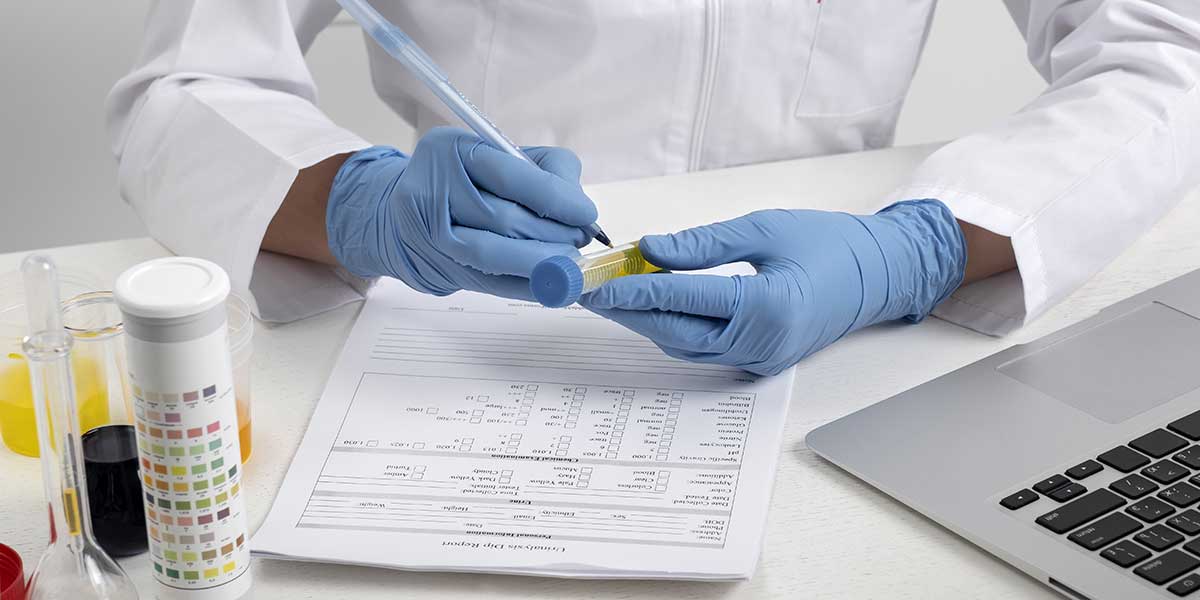
A few practical things you can do to manage the process and your expectations:
Ultimately, how long does it take for a drug test to come back, really? For a standard urine screen with a negative result, you’re looking at 24–48 hours from when the lab receives the specimen. Non-negative results that require confirmation testing can take 3–5 business days or more.
Hair tests are slower still, and weekends and holidays add dead time regardless of the result.
The process is well-established but not instant, and being up to speed on how it works is the best way to manage both your expectations and your stress levels. If you are still waiting and want to understand the broader testing process, we’ve put together guides on what to expect on test day that cover the full experience.
Negative results typically return within 24–48 hours of the lab receiving the specimen. Non-negative results requiring confirmatory testing may take 3–5 business days or longer.
Generally, no. Most labs process and report results during business hours on weekdays. Samples collected on weekends are usually held until the following business day.
Common reasons include confirmatory testing for a non-negative initial screen, lab backlog, MRO review, administrative issues with paperwork, or weekend and holiday delays. A delay does not automatically indicate a positive result.
Yes. Negative results clear the initial immunoassay screen and are typically reported within 24–48 hours. Positive results must undergo a second round of confirmatory testing, which adds several business days.
It can. An expanded 10-panel test requires more analysis than a standard 5-panel, which can add a day or two to processing. The difference is usually modest for negative results but can compound if confirmatory testing is needed.
The same timelines apply of 24–48 hours for negative urine results, longer if confirmation is required. However, the time between taking the test and receiving a hiring decision may be longer, as the employer needs to receive, review, and act on the results.
Disclaimer: This article is for informational purposes only. Drug test turnaround times are approximate and vary by lab, employer policy, test type, and region. This content does not constitute legal or medical advice. Always consult your testing provider or employer for specific timelines.
 Blog
Blog ONE OF THE MOST COMMON QUESTIONS WE RECEIVE HERE AT QUICK FIX: WHERE CAN I BUY A QUICK FIX SYNTHETIC IN A STORE NEAR ME?…
 Blog
Blog How to use your Quick Fix urine Upon reading synthetic urine reviews and stories of how people went into the lab and delivered a synthetic…
 Blog
Blog Gas chromatography-mass spectrometry is a means of analyzing samples to identify individual substances using the features of gas-liquid chromatography as well as mass spectrometry.…


