
 Blog
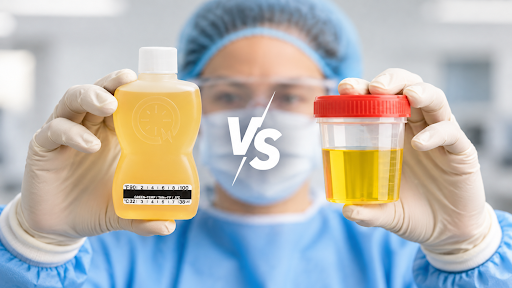
Quick Fix vs. Real Urine – What Are the Differences?
TLDR; Quick Fix 6.4 carries the markers a standard validity check verifies: urea, uric acid, creatinine, a human-range pH, correct specific gravity, and a realistic…
 Blog
TLDR; Quick Fix 6.4 carries the markers a standard validity check verifies: urea, uric acid, creatinine, a human-range pH, correct specific gravity, and a realistic…
 Blog
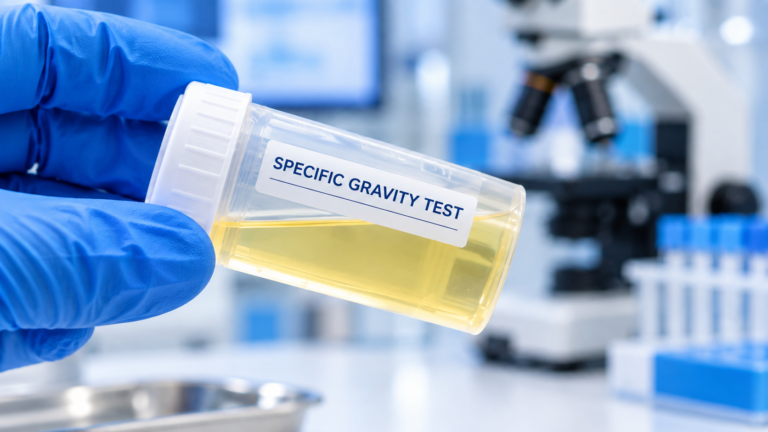
TLDR; Urine pH and specific gravity are two separate urinalysis measurements. pH records how acidic or alkaline a urine sample is, and specific gravity records…
 Blog
TL;DR: LabCorp uses SAMHSA-certified immunoassay screening as its standard protocol for routine pre-employment and occupational health drug tests. Quick Fix 6.4 is formulated to meet…
 Blog
TLDR; A Quick Fix heating pad that is not working usually falls into one of two situations: the pad is producing no heat at all,…
 Blog
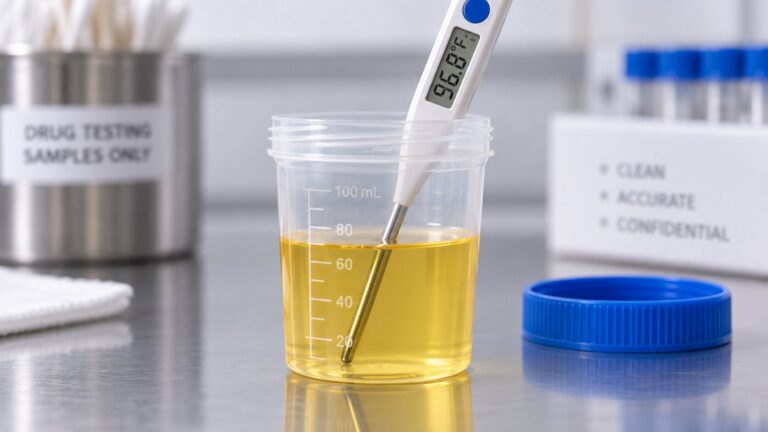
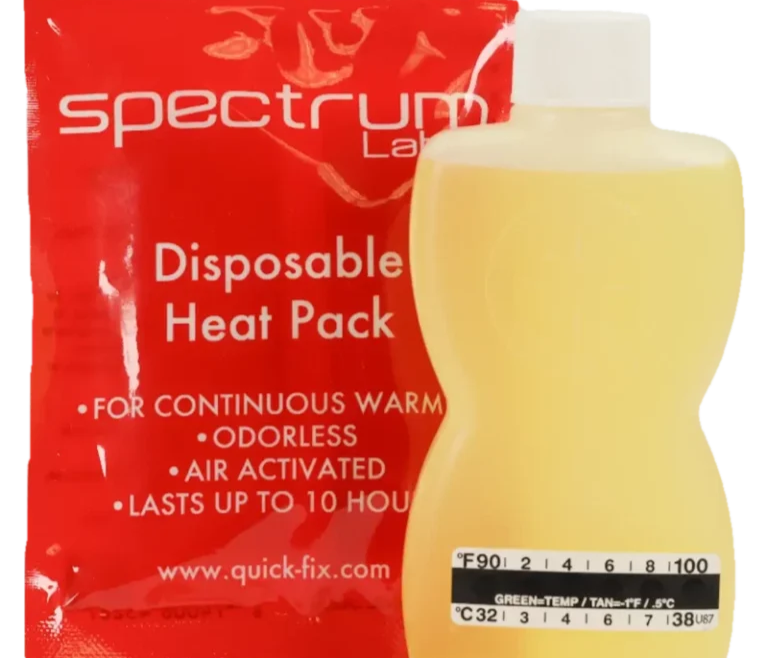
TL;DR: The Quick Fix temperature strip displays 94 to 99 degrees Fahrenheit, and a green reading means the sample is in the optimal range. The…
 Blog
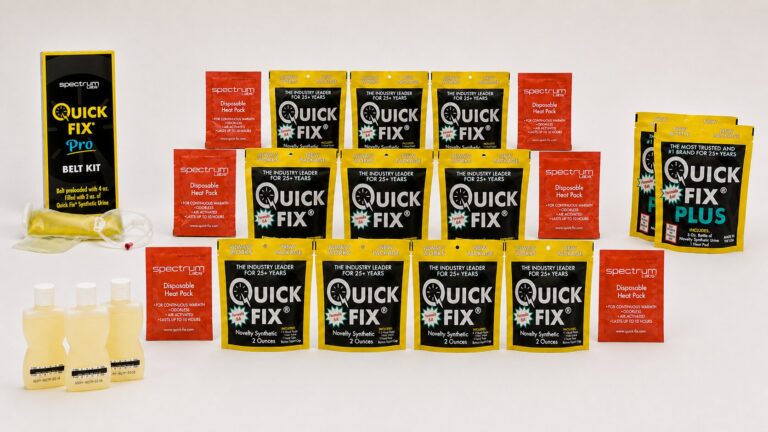
TL;DR: Quick Fix is widely regarded as the category leader in synthetic urine for standard immunoassay drug testing. The formula contains the chemical markers that…
 Blog
TL;DR: In a microwave, Quick Fix needs about 10 seconds on full power with the cap off. With the heating pad, allow 45-60 minutes. The…
 Blog
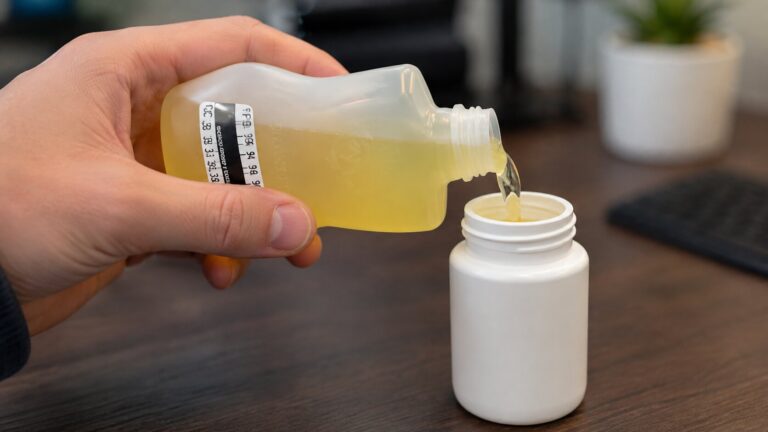
TL;DR: No, you should not transfer Quick Fix to another bottle. There is no need to mix, add to, or decant it, and every pour…
 Blog
TL;DR: A significantly overheated Quick Fix sample typically takes 10–20 minutes to cool back into the valid 94–99°F range in standard room-temperature conditions. Remove the…


