 Blog
Blog
Where Can I Buy Quick Fix Synthetic Urine?
ONE OF THE MOST COMMON QUESTIONS WE RECEIVE HERE AT QUICK FIX: WHERE CAN I BUY A QUICK FIX SYNTHETIC IN A STORE NEAR ME?…

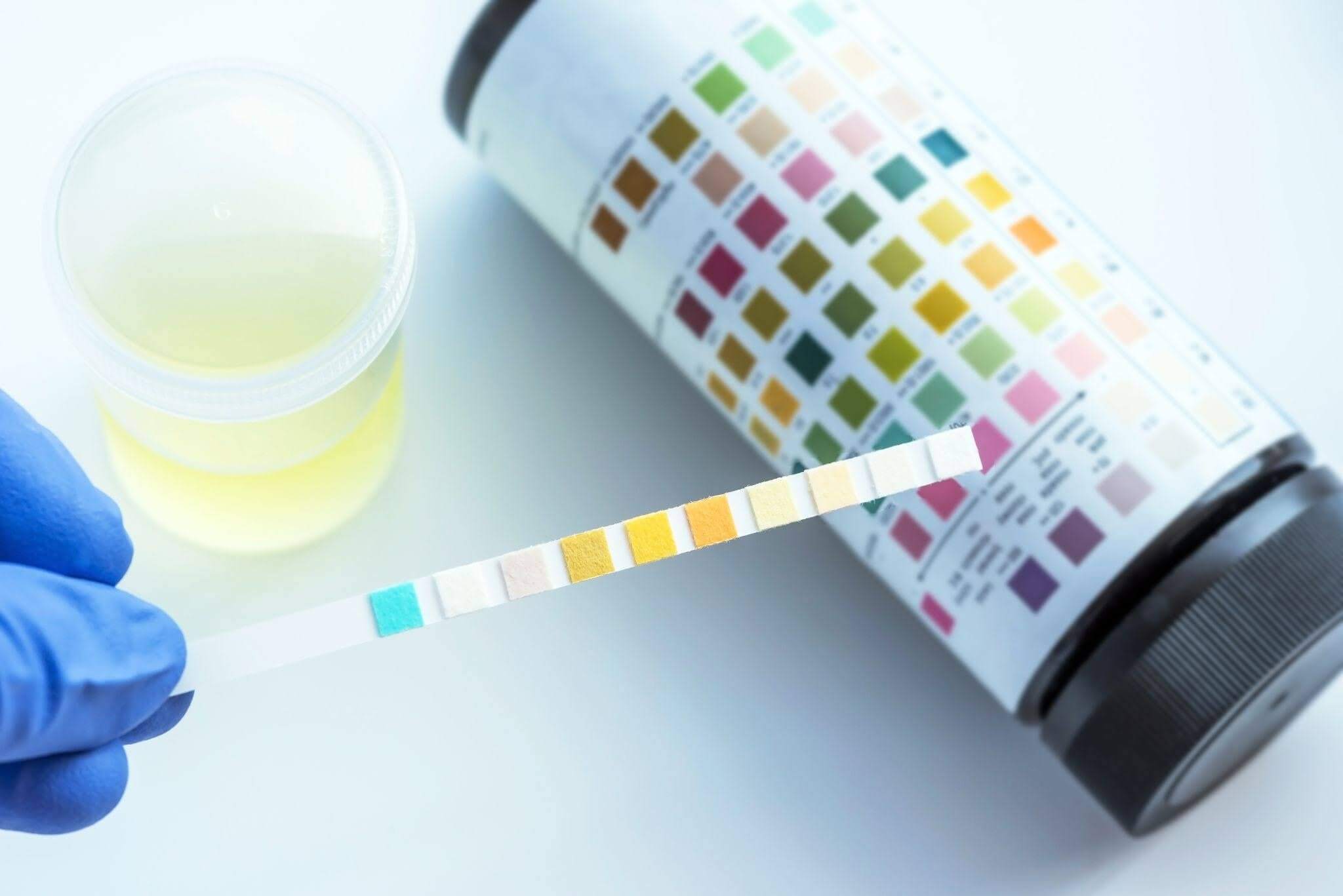
TL;DR: Quality at-home urine test strips are 97–99% accurate when used correctly, using the same immunoassay technology found in most workplace screenings. The most common reliability issue is false positives triggered by prescription medications. Any positive result should be confirmed by a certified lab before it becomes the basis of any employment, legal, or medical decision.
At-home diagnostics are mistrusted by some people, which is a little odd when you think about it. By all accounts, many folks will happily spit into a mail-order tube to learn about our remote ancestors, but become suspicious about the accuracy of a paper strip that might reveal something about our day-to-day lives.
Fair enough, perhaps, and each to their own. But the accuracy of at-home urine test strips is actually extremely reliable, provided you understand and accept what they can and cannot do.
The problem lies with the limitations under the ‘cannot’ category, though. So, this short article explains why at-home urine strips are a good thing that can be trusted, but only to a point.
Quality home urine test strips are around 97–99% accurate at the stated cutoff concentrations when used correctly.[^1] While that is an impressive figure, you need to be aware of what the strip is actually doing before you place too much weight on it. In short, they have their limitations – and people often expect too much of them.
Despite common belief, home strips do not measure the amount of a substance in a sample. They check in a much simpler way: is the concentration above a certain threshold (called the cutoff), or isn’t it? Above the line, the strip flags a positive. Below it, negative. One extreme or the other.
That may sound a little crude and rudimentary, but it is actually the same method used in most workplace and clinical screenings. The immunoassay technology is identical; what distinguishes a lab result from a home reading is the setting, not the science.
For all their virtues, home urine test strips are not infallible. The two ways they can mislead are quite different in character: the strip can flag something that isn’t really there, or miss something that is. Both are worth knowing, because the causes are entirely avoidable (in most cases).
Prescription medications are the leading (and most underreported) cause of false positives on immunoassay strips. The reason is essentially a case of mistaken identity: the antibodies on the strip cannot always distinguish the substance they are hunting from a lawfully prescribed compound that happens to share a similar molecular shape. Common culprits include (but are not limited to):
If a prescribed medication happens to be exactly what the strip is looking for (a lawfully prescribed opioid, benzodiazepine, or amphetamine, for example), it will register correctly. That is a true positive for the substance itself, however lawful the prescription behind it. Other, more mundane causes of trouble include expired strips, contaminated collection cups, and incorrect dip timing.
As the name implies, a false negative is the opposite problem: the substance is genuinely present but sits below the strip’s cutoff concentration, so the strip records nothing. Common causes include (but are not limited to):
On adequately concentrated samples, quality home strips have genuinely low false-negative rates. On a watered-down sample, however, you are essentially asking a Parisian sommelier to identify a wine diluted with three parts water. In other words, the compound is technically still there, just no longer at a concentration anyone can reliably detect.
If you want an example of what a quality home kit looks like, the Quick Test Plus 10-panel is definitely worth a mention.
It uses the same immunoassay methodology as workplace screenings and covers a ten-substance panel: THC, AMP, BAR, COC, MDMA, BZO, MET, OXY, MOP, and PCP. Results appear in just five to ten minutes.
The kit includes two test strips, two collection cups, and instructions clear enough to leave little room for procedural error. Remember, though, that this is a screening tool – an accurate preview of what a certified lab is likely to find – and not a substitute for the lab itself.
There are three specific situations in which a home strip result should be sent to a certified laboratory for confirmation.
The first is any positive result before you take employment, legal, or medical action of any kind. The second is any reading that seems genuinely inconsistent with what you know about your own recent history. The third is any circumstance in which the result will be disclosed to another party.
Why the need for such caution? You might think of a home strip as the smoke alarm in your kitchen, as they are brilliantly useful for alerting you to a potential problem, but nobody (with a brain) phones the fire brigade based purely on its opinion.
A confirmed gas chromatography-mass spectrometry result from a certified lab is the equivalent of the fire brigade actually turning up and having a look; it is the only outcome with defensible weight.
For the price of a grocery store sandwich, a quality home urine test strip gives you a 97–99% accurate preview of what a certified lab would tell you a day later, after a great deal more paperwork. That is a really useful piece of chemistry to have on your kitchen counter, provided you understand what it is offering.
Essentially, you need to trust the strip when it clears you, and confirm the result when it doesn’t. Simple. Cough syrup, hay fever pills (and half the medicine cabinet, really), can throw a reading off, and no strip on the market produces the kind of certified result an HR department or a courtroom will accept.
Try thinking of it this way: a home strip tells you what you need to know quickly. It gives you a firm indication of where things are, before you commit to a proper test. In that sense, they are a thoroughly useful thing to have tucked away in your kitchen drawer.
Sometimes, but not always. Workplace testing follows SAMHSA-defined cutoff concentrations that are consistent across federally regulated screenings. Home strips vary by manufacturer, and quality kits match workplace standards while cheaper strips often do not. Checking the cutoff levels on the packaging before you buy is the only way to know for sure.
Not usefully, no. Home strips test for the presence of drug metabolites, not the origin of the sample. A synthetic urine sample containing no metabolites would yield a negative result on every panel, as expected for a clean sample. To assess whether synthetic urine would pass the validity checks a laboratory performs (pH, creatinine, specific gravity, temperature), you would need a different type of test altogether.
Results should be interpreted within the window specified on the packaging, typically 5 to 10 minutes. Readings taken outside that window are not reliable. Photographing the strip immediately after reading is a common practice for anyone who wants to preserve a record of the result before it becomes uninterpretable.
Generally no. Home strip results are not chain-of-custody certified, which means they cannot be independently verified as belonging to a specific person taken at a specific time. Only certified laboratory testing with a documented chain of custody carries legal weight in employment, criminal, or medical contexts.
Disclaimer: This content is for informational and educational purposes only. Quick Fix Synthetic does not condone or encourage the use of our products to defraud legally mandated drug tests. Please consult your local and state laws before use.
[^1]: Immunoassay-based urine screening devices cleared for over-the-counter use are required to demonstrate sensitivity and specificity within FDA thresholds, typically reported in the 97–99% range at defined cutoff concentrations.
[^2]: Cross-reactivity between prescription medications and immunoassay panels is a documented phenomenon in clinical toxicology literature, with common offenders including certain antihistamines, NSAIDs, and antidepressants.
 Blog
Blog
ONE OF THE MOST COMMON QUESTIONS WE RECEIVE HERE AT QUICK FIX: WHERE CAN I BUY A QUICK FIX SYNTHETIC IN A STORE NEAR ME?…
 Blog
Blog
How to use your Quick Fix urine Upon reading synthetic urine reviews and stories of how people went into the lab and delivered a synthetic…
 Blog
Blog
Gas chromatography-mass spectrometry is a means of analyzing samples to identify individual substances using the features of gas-liquid chromatography as well as mass spectrometry.…


